
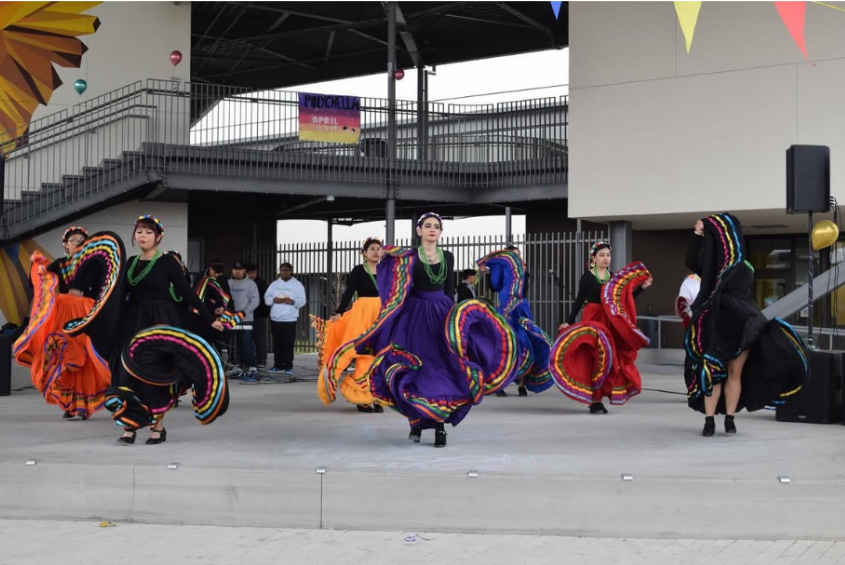
When walking around Los Angeles, one doesn’t typically stop to notice the rich diversity surrounding them. Most of this comes from the Latino community, whether it be through local cuisine or murals scattered around the Valley. While Latino culture has a strong presence in L.A., throughout America it is mostly marginalized as a minority group.
The history of Latino culture can be traced back to ancient civilizations such as the Mayas, Aztecs, and Incas where diversity flourished and communities exercised unique traditions. A lot of these traditions can be seen in modern day Latin American countries like Mexico, Guatemala, and El Salvador.
Take Mexico, for example. Mexican culture has preserved many traditions that are still part of daily life. Cooking from scratch and maintaining strong family bonds are a few practices that can be seen often conserved in Mexican households. Music also plays an important role, with styles such as Mariachi now spreading globally all while connecting communities. Ramon Rivera, a music educator, shares a goal of expanding his culture to everyone through the style of music in an interview. He emphasizes that “Anybody could play it,” and shares his excitement over American schools embracing the teaching of Mariachi as it helps with “connecting to the culture.”
Guatemalan culture provides another instance of Latino traditions. Every year on November 1st, Guatemalans celebrate All Saints’ Day by flying giant kites near cemeteries in Antigua Guatemala and gathering to share fiambre.
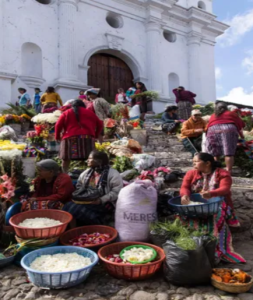
of Santo Tomás
Like Mexico, Guatemala is known for its vibrant cuisine. Staples like tamales de elote, chile rellenos, horchata, and flan are custom in the country and have been popularized, especially in Los Angeles. Beyond foods and holidays, soccer is also known as Guatemala’s most loved sport, uniting regions and generations around the world.
Despite the common occurrence of Latino culture in everyday life, Hispanics remain underrepresented in mainstream media. Over a five year period it can be observed that only 11%-12% of media shows Latino representation. This gap highlights the ongoing lack of visibility for Latino voices and stories in American culture.
The issue is even more prominent in film. Between 2007 and 2019, Hispanics spoke only about 5% of the time in popular movies. This limited presence minimizes culture, leaving many Latino communities without authentic portrayals on screen.
One way America as a community could battle this downplay is by taking inspiration from Los Angeles. L.A. showcases Latino culture in countless ways, from its food scene to its arts. Food vendors, taco trucks, and Latino restaurants line the streets, showcasing a number of varying Latino cultures all at once. Art plays a massive role, with murals scattered across some cities like Pacoima’s “Mural Mile” presenting Latin America’s visual arts and history.
Despite these contributions in Los Angeles, Latino culture remains underrepresented on a broader scale. Immigrants make up about 15% of America’s population, yet their traditions and identities they bring are regularly overlooked. The murals, food, and music of L.A. serve as a reminder that Latino communities not only belong here but also enrich the country.